Food quality shapes energy, digestion, concentration, and long-term health. Yet quality means more than buying expensive or fashionable products. A crisp apple, plain yogurt, brown rice, and freshly cooked vegetables can improve an ordinary meal. How To Improve Food Quality In Daily Diet starts with practical choices, not perfection. This guide presents ten realistic ways to select, prepare, store, and combine better foods. It considers nutrient density, freshness, ingredient lists, food safety, and personal needs. Evidence from nutrition research and public health guidance supports these principles. However, healthy eating does not look identical for every household.
Real kitchens are less orderly than nutrition textbooks. Busy schedules, limited budgets, cultural foods, and changing appetites all matter. Even careful shoppers sometimes waste vegetables or choose highly processed convenience foods. That is normal. The useful question is what can improve tomorrow’s meal. Readers will find suggestions such as planning balanced plates, increasing seasonal produce, choosing reliable protein sources, and reducing excess sugar, salt, and unhealthy fats. Small details matter, too. Rinsing leafy greens, checking storage dates, and using gentle cooking methods can protect both flavor and nutrients. Registered dietitians often encourage gradual changes because extreme rules rarely last. Personal reflection remains important. A meal can be nutritious but unsuitable for someone’s allergies, medical condition, or budget. This introduction therefore treats food quality as a flexible, evidence-informed practice. Better choices should feel possible, safe, and sustainable. Not flawless. Just better.
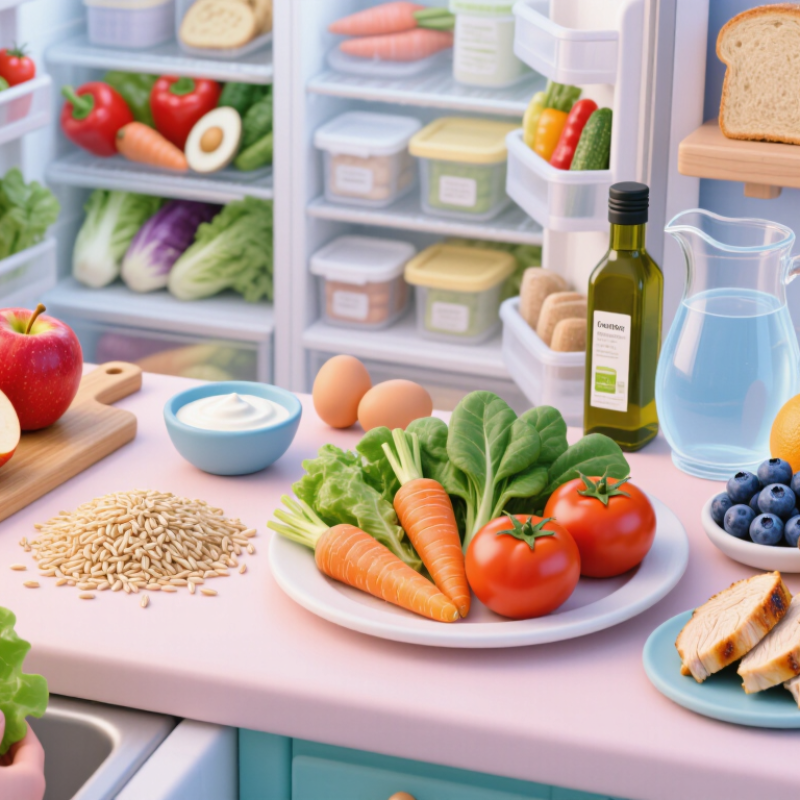
Top 10 Ways to Improve Food Quality in Daily Diet
Food quality starts with variety, not expensive ingredients. The World Health Organization recommends at least 400 grams of fruits and vegetables daily, excluding potatoes and similar starchy roots. This target supports fiber, vitamins, minerals, and protective plant compounds. A medium apple, a bowl of leafy greens, and two servings of cooked vegetables can approach it.
Build meals around color and texture. Add berries to breakfast, sliced cucumber to lunch, and carrots beside dinner. Choose whole grains, beans, nuts, seeds, and minimally processed proteins more often. The WHO and FAO joint report links higher fruit and vegetable intake with better protection against several chronic diseases. The Global Burden of Disease Study 2019 also identified low fruit and vegetable intake among important dietary risks.
Small changes count. Wash produce before cutting it, and store visible fruit within reach. Frozen and canned vegetables can help when fresh options are limited; choose versions without excessive salt or added sugar. I still miss the 400-gram target on rushed days. That is a useful warning, not a failure. Keep a simple food record for three days, then adjust one meal. Drink water with meals. Limit heavily processed snacks, sugary drinks, and oversized portions. Food quality improves through repetition, although perfect eating remains unrealistic.
Top 10 Ways to Improve Food Quality in Daily Diet
Balance Macronutrients Within 45–65% Carbohydrates and 10–35% Protein
Food quality improves when macronutrients support, rather than dominate, the plate. The National Academies’ Dietary Reference Intakes recommend 45–65% of daily energy from carbohydrates and 10–35% from protein for adults. These ranges allow flexibility. A bowl might include brown rice, lentils, leafy vegetables, and grilled fish. The carbohydrate provides fuel, while protein supports muscle maintenance and recovery. I still misjudge portions sometimes, especially after a long workday.
Choose mostly minimally processed carbohydrates, such as oats, beans, potatoes, fruit, and whole grains. The World Health Organization advises keeping free sugars below 10% of total energy, with further benefit below 5%. Protein quality also matters. Mix plant sources across the day, and include eggs, dairy, seafood, or lean meats when appropriate. The Nutrition Facts label can reveal hidden sugar and surprisingly small protein servings.
Tips: Start with one fist-sized carbohydrate portion, then add a palm-sized protein serving. Fill half the plate with vegetables. Track your intake for three ordinary days, not just ideal days. Compare your pattern with the 45–65% and 10–35% ranges. Adjust gradually. A spreadsheet may help, but hunger, training, age, and medical conditions can change your needs. This framework is useful, not perfect. Consult a registered dietitian for personalized guidance.
| No. | Food-Quality Strategy | Practical Daily Target | Evidence-Based Reference | Simple Food Application |
|---|---|---|---|---|
| 1 | Balance macronutrients | Plan meals around carbohydrates, protein, and unsaturated fats rather than relying on one food group. | Acceptable Macronutrient Distribution Ranges for adults: 45–65% of energy from carbohydrates, 10–35% from protein, and 20–35% from fat. | Combine oats or brown rice with beans, fish, eggs, tofu, vegetables, and a small amount of nuts or olive oil. |
| 2 | Choose mostly whole or minimally processed foods | Make vegetables, fruits, legumes, whole grains, nuts, seeds, and minimally processed proteins the foundation of meals. | Dietary guidance consistently emphasizes nutrient-dense foods and limiting highly processed foods that are high in sodium, added sugars, or saturated fat. | Replace refined snack cakes with fruit and plain yogurt, or replace highly processed meat with lentils, poultry, fish, or tofu. |
| 3 | Increase dietary fiber | Aim for approximately 25 g per day for adult women and 38 g per day for adult men aged 19–50; individual needs vary. | Fiber supports normal bowel function and is naturally found in whole grains, legumes, fruits, vegetables, nuts, and seeds. | Add beans to lunch, choose oatmeal or whole-grain bread, and include vegetables or fruit at most meals. |
| 4 | Eat a wider variety of fruits and vegetables | Include different colors and types across the week, with vegetables or fruit at most meals and snacks. | The World Health Organization recommends at least 400 g per day of fruits and vegetables for people older than five, excluding potatoes and other starchy tubers. | Build a plate with leafy greens, tomatoes, carrots, berries, citrus fruit, and legumes throughout the day. |
| 5 | Prefer unsaturated fats | Use plant-based oils, nuts, seeds, avocado, and oily fish more often than butter, shortening, and foods high in solid fats. | The adult AMDR for total fat is 20–35% of energy; replacing saturated fats with unsaturated fats can improve the overall fat-quality profile. | Use olive or canola oil in cooking, add seeds to oatmeal, and choose fish or legumes instead of fatty processed meats. |
| 6 | Limit saturated fat | Keep saturated fat below 10% of total daily energy intake and avoid making it the main fat source. | The Dietary Guidelines for Americans recommend limiting saturated fat to less than 10% of calories from age two onward. | Choose leaner cuts, low-fat dairy when appropriate, and unsaturated oils instead of butter or coconut and palm oils. |
| 7 | Reduce added and free sugars | Keep added or free sugars below 10% of daily energy; lower intake may provide additional benefit. | WHO recommends limiting free sugars to less than 10% of total energy intake, with a conditional recommendation for less than 5%. | Choose water or unsweetened drinks, eat whole fruit instead of juice, and compare labels for added sugars. |
| 8 | Moderate sodium intake | Aim for less than 2,300 mg of sodium per day for most adults, unless a healthcare professional provides different advice. | The 2,300 mg limit is approximately equivalent to 5 g of salt per day and includes sodium from packaged, restaurant, and home-prepared foods. | Use herbs, spices, garlic, citrus, and vinegar for flavor; compare packaged-food labels and taste food before adding salt. |
| 9 | Distribute protein across meals | Include a moderate protein source at meals while keeping total protein within the 10–35% adult energy range. | Protein needs depend on age, body size, activity, health status, and pregnancy; the general adult RDA is 0.8 g per kg of body weight per day. | Use beans, lentils, eggs, fish, poultry, tofu, or plain dairy foods alongside vegetables and high-fiber carbohydrates. |
| 10 | Improve hydration quality | Drink regularly according to thirst, activity, climate, and health needs, with water as the main beverage. | Total water intake includes beverages and water contained in food; adequate-intake values vary by sex and life stage, so individual requirements are not identical. | Carry water during active periods and replace sugar-sweetened drinks with plain or unsweetened water, tea, or other suitable beverages. |
Reference basis: adult macronutrient ranges from the National Academies’ Acceptable Macronutrient Distribution Ranges; fiber, saturated-fat, sodium, and added-sugar targets from established U.S. dietary guidance; fruit and vegetable and free-sugar guidance from the World Health Organization. Individual requirements may differ because of age, pregnancy, medical conditions, medications, and activity level.
Fiber is a practical marker of diet quality. Adults generally need about 25–38 grams daily, depending on age and sex, according to the National Academies’ Dietary Reference Intakes. The 2020–2025 Dietary Guidelines for Americans also recommend choosing whole grains, vegetables, fruits, beans, peas, and lentils more often. A bowl of oats with berries provides a stronger start than a sweetened pastry. Still, I sometimes miss the target on rushed workdays.
Free sugars deserve equal attention. The World Health Organization recommends keeping them below 10% of daily energy, with benefits possible below 5%. Free sugars include those added to foods, plus sugars in honey, syrups, and fruit juice. For a 2,000-calorie diet, 10% equals about 50 grams, or roughly 12 teaspoons. A bottled drink can quietly use much of that allowance before lunch. Read ingredient lists, but do not obsess over one imperfect meal.
Tips: Add beans to soup, choose brown rice, and keep washed fruit visible. Increase fiber gradually and drink enough water, because sudden changes may cause bloating. Compare cereal labels by fiber and added sugar, not health claims alone. A useful plate might contain half vegetables, one quarter protein, and one quarter whole grains. The evidence is clear, yet personal tolerance and culture still matter. WHO guidance is a benchmark, not a substitute for individualized medical advice.
Replacing saturated fats above 10% of daily energy can improve dietary quality. The World Health Organization’s 2023 guideline recommends keeping saturated fat below 10% of energy. It advises replacing it with polyunsaturated fats, plant-based monounsaturated fats, or whole-grain carbohydrates. The 2020–2025 Dietary Guidelines for Americans also support this limit.
Think about a normal plate. Replace butter on toast with mashed avocado. Choose olive or canola oil for cooking. Add walnuts, beans, or salmon instead of fatty processed meat. These small changes can lower saturated fat without making meals feel restrictive. The American Heart Association reports that replacing saturated fat with polyunsaturated fat can reduce cardiovascular risk. Replacing it with refined carbohydrates may not provide the same benefit. That detail is easy to miss.
Tips: Check the nutrition label. Multiply saturated fat grams by nine to estimate its calories. If a 2,000-calorie diet contains 23 grams of saturated fat, it reaches about 10%. Compare soups, pastries, cheese, and fried foods carefully. Their portions often look harmless. They are not always harmless. I still find meal planning difficult on busy days, and homemade food can contain more butter than expected. Tracking one ordinary day may reveal the gap between intention and reality.
Improving food quality begins with safer daily habits, not expensive ingredients. The World Health Organization’s Five Keys to Safer Food provide a practical foundation: keep clean, separate raw and cooked foods, cook thoroughly, keep food at safe temperatures, and use safe water and raw materials.
Wash your hands before cooking and after touching raw meat. Clean cutting boards, knives, and counters with hot, soapy water. Use separate boards for vegetables and raw proteins when possible. Cross-contamination is easy to miss. I once placed cooked chicken on a plate that had held it raw, then had to discard the meal. Small mistakes matter.
Use a food thermometer instead of judging doneness by color. Cook poultry and reheated leftovers to 74°C (165°F). Ground meat should reach 71°C (160°F), while whole cuts of meat can reach 63°C (145°F) and rest briefly. Keep cold food at 4°C (40°F) or below, and avoid leaving perishables between 4°C and 60°C (40°F–140°F) for long periods. Refrigerate leftovers within two hours. Check water quality and choose fresh, undamaged ingredients. I sometimes rush cooling food, which is a habit worth correcting. Temperature checks feel slower, but they offer evidence rather than guesswork.
Use WHO’s Five Keys to Safer Food—keep clean, separate raw and cooked foods, cook thoroughly, keep food at safe temperatures, and use safe water and raw materials—along with verified minimum internal cooking temperatures.
How to read this chart: Measure the thickest part of the food with a food thermometer. Poultry and leftovers should reach 74°C, ground meats 71°C, and fish or whole cuts of beef, pork, lamb, and veal 63°C. Whole cuts should rest for at least three minutes before serving.
Food quality means choosing varied, nourishing foods regularly. Build meals with vegetables, fruits, whole grains, beans, nuts, seeds, and minimally processed proteins. Expensive ingredients are not required.
A practical benchmark is at least 400 grams daily. This excludes potatoes and similar starchy roots. An apple, leafy greens, carrots, and cooked vegetables can approach the target.
Keep washed fruit visible on the kitchen counter. Add berries to breakfast and cucumber to lunch. Frozen or canned vegetables can help when fresh produce is limited. Choose options without excessive salt or added sugar.
Carbohydrates may provide 45–65% of daily energy. Protein may provide 10–35%. Try one fist-sized carbohydrate portion and one palm-sized protein serving. Needs vary with age, training, hunger, and health conditions.
Choose oats, beans, fruit, potatoes, and whole grains more often. A bowl of brown rice with lentils offers useful texture and fiber. Highly processed snacks should appear less often.
Adults generally need about 25–38 grams of fiber daily. Add beans to soup, choose brown rice, and eat whole fruit. Increase fiber gradually. Drink enough water.
Keep free sugars below 10% of daily energy when possible. For 2,000 calories, that equals about 50 grams, or 12 teaspoons. Honey, syrups, fruit juice, and added sugars count. A bottled drink can use much of that allowance before lunch.
Record everything you eat for three ordinary days. Do not record only ideal days. Compare your produce, fiber, protein, and sugar patterns. Then adjust one meal, not your entire life.
No. Food quality improves through repetition, not flawless days. I still miss the 400-gram target on rushed days. That is useful feedback, not failure. A simple plan may work better than an impressive one.
How To Improve Food Quality In Daily Diet starts with choosing a balanced, varied, and safe pattern of eating. Aim for at least 400 grams of fruits and vegetables each day, including different colors and types to increase nutrient variety. Build meals around appropriate macronutrient proportions: carbohydrates can provide 45–65% of daily energy, protein 10–35%, and the remaining energy can come from healthy fats. Select whole grains, beans, vegetables, and fruit to reach approximately 25–38 grams of fiber daily, while keeping free sugars below 10% of total energy intake.
Fat quality also matters. Limit saturated fat to below 10% of energy and replace it with unsaturated sources where possible. Food safety should be part of every meal plan: keep food clean, separate raw and cooked ingredients, cook foods thoroughly, maintain safe temperatures, and use safe water and ingredients. A food thermometer and reliable cooking-temperature guidance can help reduce preventable risks while preserving quality.
JETZ Foods