Healthy eating habits begin long before a child learns to read a nutrition label. In 2026, families need practical guidance that fits busy mornings, school schedules, and limited budgets. This introduction explores How To Build Healthy Eating Habits For Kids through realistic, evidence-informed strategies. Pediatric dietitians consistently emphasize variety, regular meals, and a relaxed attitude toward food. Children also learn by watching adults. A parent choosing water at dinner can teach more than a lecture.
Picture a weekday breakfast: oatmeal, banana slices, yogurt, and a small spoon for independent eating. Simple routines can make nutritious choices feel familiar, not forced. Offer colorful vegetables beside accepted foods, such as cucumber with a favorite sandwich. Let children help wash berries or measure rice. These small tasks build confidence and curiosity. Avoid turning every meal into a battle. Appetite changes naturally, especially during growth, illness, or stressful transitions.
Progress will not look perfect. Some nights may involve frozen vegetables, toast, or a rejected dinner. That is normal. However, repeated exposure matters, even when one bite becomes ten rejected bites. Families should consider allergies, cultural traditions, sensory needs, and medical conditions. A pediatrician or registered dietitian can provide individualized advice when concerns arise. Reliable guidance should protect children from shame, extreme restriction, and confusing food rules. The most effective approach is patient, flexible, and measurable. Notice calmer meals, broader food choices, and growing independence. Small improvements count.
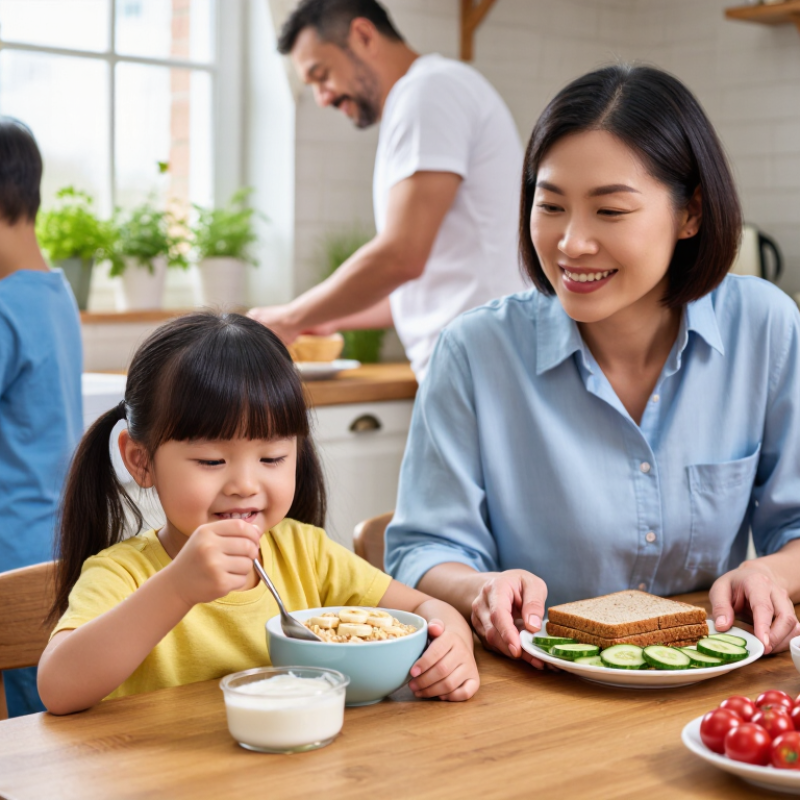
Healthy eating habits begin with repeated, relaxed experiences, not perfect plates. Children need different amounts of food as they grow. A balanced meal can include vegetables, fruit, whole grains, protein, and calcium-rich foods. Offer water regularly, especially after active play. Let children notice hunger and fullness without pressure. A pediatric dietitian can help when growth, allergies, or restrictive eating creates concern. Small routines matter. Eating together, even for ten minutes, gives children a calm model to follow.
Tips: Serve one familiar food beside a new food. Cut carrots into thin sticks and place them within easy reach. Invite children to wash berries or stir yogurt. Avoid using dessert as a reward. Keep portions small, then allow more. Some nights will still end with untouched vegetables. That is normal. Try again later without criticism.
I once thought healthy meals had to look colorful every day. Real family life is messier. Busy evenings may bring simple eggs, toast, and sliced fruit. The goal is consistency, not performance. Keep regular meal and snack times, while allowing flexibility for school events or travel. Speak positively about food and bodies. Children hear more than adults expect. Avoid calling foods “good” or “bad,” because curiosity can quickly become guilt. Watch patterns over time, not one difficult dinner.
Healthy eating habits begin with nutrients, not perfect-looking plates. Children need protein for muscle and tissue growth, iron for oxygen transport, calcium and vitamin D for bones, and iodine for brain development. The NIH Office of Dietary Supplements lists 10 milligrams of iron daily for children aged four to eight. The same age group needs about 1,000 milligrams of calcium and 600 IU of vitamin D each day. Needs change with age, activity, health, and growth speed.
A practical plate might include beans, eggs, fish, tofu, or lean meat, plus colorful vegetables, fruit, whole grains, and plain dairy or fortified alternatives. Pairing lentils with tomatoes or peppers can improve iron absorption because vitamin C helps the body use plant-based iron. Water should be the usual drink. The Dietary Guidelines for Americans recommends keeping added sugars below 10% of daily calories for children aged two and older. Small choices matter.
WHO and UNICEF reported that 149 million children under five were stunted globally in 2022, showing how nutrition and growth remain closely connected. Yet numbers can oversimplify a child’s life. I once treated an untouched lunch as poor discipline; hunger, fatigue, or texture sensitivity may have mattered more. Parents can track patterns instead of forcing bites. A pediatric professional should assess persistent low appetite, unusual fatigue, slow growth, or restrictive eating. Even careful advice needs revision. Children are not nutrition charts.
| Nutrient | Why Children Need It | Ages 1–3 | Ages 4–8 | Ages 9–13 | Ages 14–18 | Kid-Friendly Food Sources |
|---|---|---|---|---|---|---|
| Protein | Supports muscle, tissue, enzyme, and immune-system development. | 1.05 g/kg/day | 0.95 g/kg/day | 0.95 g/kg/day | 0.85 g/kg/day | Eggs, yogurt, beans, lentils, fish, poultry, tofu, and nut or seed butters. |
| Calcium | Builds strong bones and teeth and helps muscles and nerves function properly. | 700 mg/day | 1,000 mg/day | 1,300 mg/day | 1,300 mg/day | Milk, fortified soy beverages, yogurt, cheese, calcium-set tofu, and leafy greens. |
| Iron | Carries oxygen in the blood and supports learning, attention, and energy. | 7 mg/day | 10 mg/day | 8 mg/day | 11 mg boys 15 mg girls |
Lean meat, beans, lentils, iron-fortified cereals, spinach, and pumpkin seeds. |
| Vitamin D | Helps the body absorb calcium and supports bones, muscles, and immune function. | 15 mcg (600 IU) |
15 mcg (600 IU) |
15 mcg (600 IU) |
15 mcg (600 IU) |
Fortified milk or plant beverages, fatty fish, egg yolks, and vitamin-D-fortified foods. |
| Vitamin C | Supports collagen formation, wound healing, immunity, and iron absorption. | 15 mg/day | 25 mg/day | 45 mg/day | 75 mg boys 65 mg girls |
Oranges, strawberries, kiwi, bell peppers, broccoli, tomatoes, and potatoes. |
| Fiber | Promotes regular digestion, supports gut health, and helps children feel full. | 19 g/day | 25 g/day | 31 g boys 26 g girls |
38 g boys 26 g girls |
Oats, whole-grain bread, beans, berries, pears, vegetables, nuts, and seeds. |
| Potassium | Helps regulate fluid balance, nerves, muscles, and healthy blood pressure. | 2,000 mg/day | 2,300 mg/day | 2,500 mg boys 2,300 mg girls |
3,000 mg boys 2,300 mg girls |
Bananas, potatoes, beans, yogurt, avocado, tomatoes, oranges, and dried fruit. |
| Healthy Fats | Provide energy and support brain, eye, and nervous-system development. | Include daily | Include daily | Include daily | Include daily | Salmon, sardines, walnuts, chia seeds, ground flaxseed, avocado, and olive oil. |
Daily values are based on Dietary Reference Intakes for generally healthy children and adolescents. Individual needs may vary according to growth, activity level, medical conditions, and dietary pattern.
Healthy eating habits grow from ordinary family meals, not perfect plates. A balanced meal can include vegetables or fruit, whole grains, protein, and a calcium-rich food. Keep portions child-sized and allow seconds when hunger continues. A small plate with roasted carrots, brown rice, beans, and yogurt feels manageable to a young child.
Make food colorful and familiar. Pair a new food with something your child already enjoys, such as cucumber beside a cheese sandwich. For snacks, offer simple combinations: apple slices with unsweetened yogurt, whole-grain crackers with hummus, or a boiled egg with fruit. Water should be the usual drink. Young children need close supervision with firm, round, or sticky foods, and foods should match their chewing ability.
I used to serve vegetables only when dinner was rushed. That rarely worked. Now I wash berries, cut vegetables, and portion snacks before busy afternoons. Children may reject a food many times before tasting it. Pressure can make that process harder. Nutrition professionals also encourage regular meal and snack times, while respecting a child’s hunger and fullness signals. I still sometimes rely on packaged convenience foods. That is realistic, but I check the ingredient list and pair them with fresh food when possible. Families managing allergies, growth concerns, or medical conditions should seek advice from a qualified healthcare professional.
Creating Balanced Meals and Healthy Snack Choices
This chart shows example daily food-group targets for children ages 4–8 following the USDA MyPlate 1,600-calorie pattern. Families can build balanced meals by combining vegetables, fruits, whole grains, protein foods, and dairy or fortified alternatives. Healthy snacks can include fruit, vegetables, yogurt, whole-grain foods, or nuts and seeds when appropriate for the child’s age and allergy needs.
Source: USDA MyPlate, 1,600-calorie food-group plan for children ages 4–8. Individual needs vary by age, growth, activity level, and medical guidance.
Healthy eating habits often begin with a table, not a nutrition lecture. A predictable family meal gives children time to see, smell, and discuss different foods. The 2024 UNICEF Child Food Poverty report found that 181 million children under five face severe food poverty worldwide. Regular shared meals cannot solve that crisis, but they can make available food more nourishing and socially meaningful.
In practice, keep dinner simple and repeatable. Set one eating time, place water nearby, and serve one familiar food beside something new. Children need repeated exposure, not pressure. The American Academy of Pediatrics recommends responsive feeding, allowing children to notice hunger and fullness cues. Screens can wait outside the room. Conversation matters more than perfect manners. Ask, “What feels crunchy?” rather than, “Did you eat enough?”
Our routine still slips on busy evenings. That is normal. A quick meal at the table can be better than an ideal meal eaten alone. The CDC’s National Center for Health Statistics reported a 21.1% obesity prevalence among U.S. children aged 2–19 during 2021–2023. Weight should never become a child’s dinner-table label. Parents can model balanced portions, slow eating, and respectful food choices. They should also admit mistakes. Sometimes I serve too much, rush the meal, or negotiate over vegetables. Adjusting the next meal is more useful than creating guilt. A small cloth napkin, a shared serving bowl, and ten quiet minutes can gradually turn dinner into a dependable family ritual.
Long-term healthy food behaviors begin with repeated, pressure-free experiences. Offer children regular meals and snacks at a predictable table. Include one familiar food beside something new, such as cucumber with lentil soup. Small portions make unfamiliar foods less intimidating. A child may need many exposures before accepting a new taste.
Let children participate in simple ways. They can wash berries, tear lettuce, or choose between carrots and peas. These tasks build confidence and connect food with daily life. Adults should model balanced eating without labeling foods as “good” or “bad.” Pediatric nutrition guidance supports variety, responsive feeding, and attention to hunger and fullness cues. Ask, “Is your tummy still hungry?” rather than demanding a clean plate. This helps children notice their bodies.
Perfection is unrealistic. Some evenings may include plain toast and little else. That is not failure. Keep the next meal calm and predictable. Avoid using sweets as rewards, because rewards can make them seem unusually valuable. Water can remain the usual drink, while family meals create space for conversation and observation. Watch patterns over weeks, not one difficult dinner. A useful habit is to keep cut fruit visible and highly processed snacks less convenient. Yet strict control can backfire. Children need guidance, but they also need safe chances to choose.
Include vegetables or fruit, whole grains, protein, and a calcium-rich food. A small plate works well. Try roasted carrots, brown rice, beans, and yogurt.
Serve a small portion beside one familiar food. For example, offer cucumber next to a cheese sandwich. Children may need many calm exposures before accepting a new taste.
Try apple slices with unsweetened yogurt or whole-grain crackers with hummus. A boiled egg and fruit can also work. Keep portions child-sized.
Water should be the usual drink. Serve it during meals and snacks. Other drinks may sometimes appear, but water keeps the routine simple.
Offer regular meals and snacks, then watch the child’s cues. Ask, “Is your tummy still hungry?” instead of demanding a clean plate. Children can need seconds.
Give simple choices and safe kitchen tasks. Children can wash berries, tear lettuce, or choose carrots or peas. Small jobs build confidence.
Avoid making sweets a reward for eating or behaving well. Rewards can make them seem unusually valuable. Offer balanced meals without calling foods “good” or “bad.”
Keep the next meal calm and predictable. One evening of plain toast is not failure. Watch eating patterns across several weeks, not one rushed dinner.
Wash berries, cut vegetables, and portion snacks ahead of time. Keep cut fruit visible and highly processed snacks less convenient. I still use packaged foods sometimes, but pairing them with fresh food helps.
Families managing allergies, growth concerns, or medical conditions should contact a qualified healthcare professional. Food textures must match the child’s chewing ability. Supervise firm, round, or sticky foods closely.
This guide, “2026 Best Ways to Build Healthy Eating Habits for Kids,” explains How To Build Healthy Eating Habits For Kids through simple, consistent, and supportive daily practices. It begins by exploring what healthy eating means for children and highlights essential nutrients such as protein, fiber, healthy fats, vitamins, minerals, and water to support growth, energy, learning, and immunity. Parents and caregivers will learn how to create balanced meals by including colorful fruits and vegetables, whole grains, nutritious proteins, and suitable snacks while limiting excessive sugar and highly processed foods.
The guide also emphasizes the importance of positive family mealtime routines. Eating together, offering children reasonable choices, avoiding pressure, and modeling healthy behaviors can make meals more enjoyable and encourage curiosity about new foods. Rather than focusing on perfection, families can build long-term healthy food behaviors through patience, regular routines, mindful portions, and positive encouragement. These practical habits help children develop a balanced relationship with food that can support their well-being as they grow.
JETZ Foods