Starting a healthier diet in China does not require imported superfoods or severe restrictions. Healthy Lifestyle Diet Tips For Beginners can begin with a warm bowl of millet porridge, steamed greens, and a modest serving of protein. These familiar foods offer a practical foundation for balanced eating. This guide presents ten approachable habits for beginners, informed by Chinese dietary patterns and current nutrition guidance. It considers vegetables, whole grains, soy foods, fish, fruit, water, and portion awareness. Small changes matter. A lunchbox with brown rice, tofu, bok choy, and an egg may be more realistic than a perfect meal plan.
The recommendations reflect principles in China’s Dietary Guidelines, including variety, moderation, seasonal produce, and reduced salt, oil, and added sugar. They do not promise rapid weight loss. Instead, they support everyday choices that may improve energy, digestion, and long-term wellbeing. Personal needs differ. A person with diabetes, kidney disease, food allergies, or pregnancy-related concerns should consult a qualified healthcare professional. Even sound advice needs context. Consistency can become difficult during overtime, travel, or family banquets. This outline acknowledges those pressures while encouraging readers to check labels, notice hunger, and adjust gradually. The goal is not dietary perfection. It is a dependable routine that can survive ordinary Chinese life.
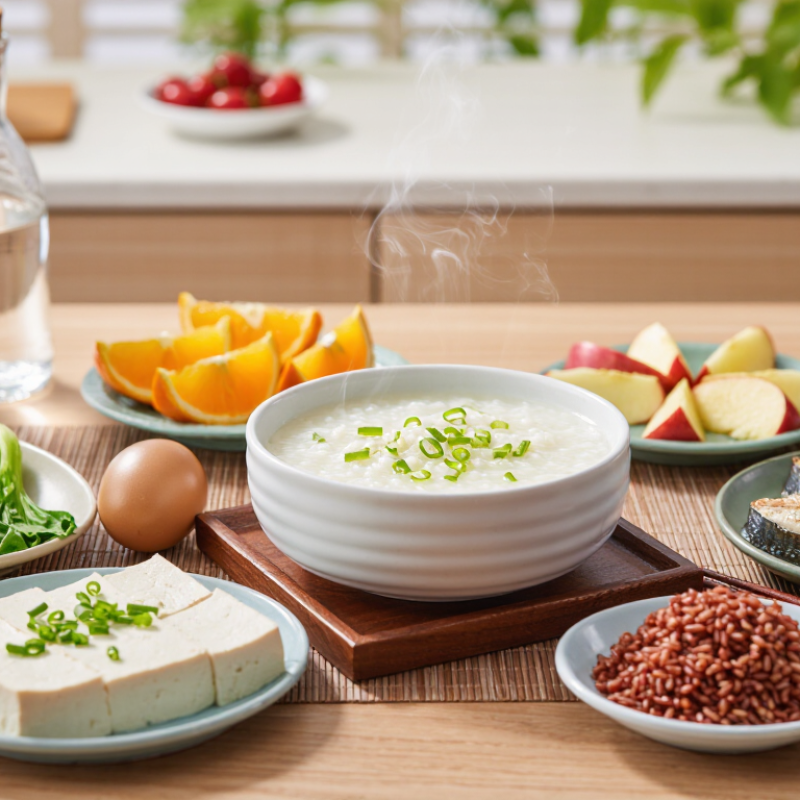
Understanding the Foundations of a Healthy Chinese-Style Diet begins with balance, not restriction.
The Chinese Dietary Guidelines 2022 recommend 300–500 grams of vegetables and 200–350 grams of fruit daily. Build meals around rice, millet, whole-grain noodles, beans, seasonal vegetables, eggs, fish, and modest portions of meat.
A simple plate might include brown rice, steamed bok choy, tofu, and clear soup. Keep several colors visible.
Use less salt, oil, and sugar during cooking. The World Health Organization recommends fewer than 5 grams of salt daily for adults. That limit includes salt in sauces and preserved foods.
Try garlic, ginger, scallions, vinegar, and pepper for stronger flavor. Count cooking oil with a spoon. Pouring freely makes portions difficult to judge.
Drink water or unsweetened tea instead of sweetened beverages. Eat slowly, and stop before feeling overly full.
A beginner can prepare vegetables first, then add protein and grains. This small order improves meal balance.
Choose steaming, boiling, or quick stir-frying more often than deep-frying.
The first week may feel inconvenient. That is normal. An imperfect home-cooked meal still teaches useful habits.
However, “traditional” does not always mean healthy; heavily salted dishes and oversized rice portions still require attention.
The China Health and Nutrition Survey has repeatedly linked dietary quality with changing food patterns, especially greater consumption of processed foods.
Adjust gradually, record what you eat, and review the pattern after seven days.
A balanced plate starts with sensible staples. Choose rice, millet, oats, corn, or whole-wheat noodles more often. The Chinese Dietary Guidelines 2022 recommend including whole grains regularly, not replacing every meal with them. A practical bowl might contain half rice and half millet. It feels familiar, yet adds texture and fiber. Portion size still matters.
Tip: Build protein around eggs, fish, beans, tofu, and lean poultry. Rotate choices across the week. The guidelines suggest varied animal and plant foods, while limiting processed meats. Try steamed fish with tofu, rather than adding another fried dish. Beginners often overestimate protein needs. I did, too, when training casually.
Vegetables should occupy about half the plate. The Chinese Dietary Guidelines recommend 300–500 grams daily, with different colors across meals. The World Health Organization advises at least 400 grams of fruits and vegetables each day. Add leafy greens at lunch and tomatoes or peppers at dinner. Use healthy fats sparingly, such as nuts, seeds, or vegetable oils. One small handful of nuts is enough for many people. Too much is easy.
Tip: Read the cooking method, not only the ingredient. Steaming, boiling, and quick stir-frying usually need less added fat. The WHO recommends keeping saturated fat below 10% of daily energy intake. This can be difficult with restaurant meals. Leave room for adjustment. A perfect plan may not survive a busy Tuesday.
Healthy eating in China can begin with portion control, not strict food rules. A smaller bowl makes rice portions easier to judge. Fill half the plate with vegetables, then add protein and grains. A palm-sized portion of fish, tofu, eggs, or lean meat often works well. Soup can be comforting, but salty broth may increase daily sodium intake.
Meal timing also shapes appetite. Try eating breakfast within a few hours of waking. Keep lunch substantial, especially on active days. Dinner may be lighter and finished two or three hours before sleep. Long gaps can cause rushed eating and oversized portions. I sometimes underestimate hunger after work, so I prepare fruit, plain yogurt, or unsalted nuts earlier. Planning helps, though it is not perfect.
Daily eating patterns should feel repeatable. Eat slowly enough to notice fullness, and pause before taking another serving. Drink water regularly, especially in hot weather. Sweet drinks and late-night snacks can quietly add energy. Traditional meals may include several shared dishes, making portions harder to track. Use serving spoons when possible, and place food on your plate before eating. Some days will be irregular. That is normal. Pay attention to patterns across a week, not one crowded dinner.
Controlling portions, meal timing, and daily eating patterns
The chart shows approximate daily food-group targets for a 2,000-calorie healthy eating pattern. Individual needs vary according to age, sex, body size, activity level, and health status. Cup and ounce-equivalent measurements follow standard dietary guidance.
A practical diet begins with hydration, not another strict rule. Keep a reusable bottle near your desk, and drink water with each meal. Unsweetened tea can add variety without extra sugar. Pale-yellow urine often suggests adequate hydration, but heat, exercise, and illness change personal needs. People with kidney or heart conditions should ask a qualified clinician for individual advice.
Sugar can hide in sweet drinks, pastries, sauces, and flavored dairy products. Try replacing one sugary drink with plain water each day. Check labels for added sugars, even on foods that seem healthy. Dietitians commonly recommend choosing whole fruit instead of juice because fruit provides fiber. I still crave sweet drinks sometimes. Planning helps, but perfection is unrealistic.
Salt deserves attention too. Processed noodles, preserved vegetables, cured meats, and ready-made sauces may contain large amounts. Use garlic, ginger, vinegar, scallions, or pepper for stronger flavor. Public-health guidance generally encourages keeping daily salt below five grams, though local advice may differ. Build meals around vegetables, beans, eggs, fish, whole grains, and minimally processed foods. Start with one change. Track your water, drinks, and packaged foods for three days. The record may reveal habits you never noticed.
China Top 10 Healthy Lifestyle Diet Tips For Beginners
Planning simple meals can make healthy eating feel less demanding. Build each plate with vegetables, a protein, and a modest portion of rice or noodles. Tofu, eggs, fish, beans, and plain yogurt offer practical protein choices. Add leafy greens, tomatoes, mushrooms, or seasonal fruit for color and fiber. Keep meals familiar. A bowl of rice, steamed greens, tofu, and soup can be balanced and comforting. I often prepare extra vegetables at dinner, although leftovers do not always taste perfect the next day.
Tips: Plan three easy meals before shopping. Cook one grain, two vegetables, and one protein in advance. Store portions in clean containers and refrigerate them promptly. Use less salt gradually, and taste food before adding more seasoning. Choose water or unsweetened tea most of the time. Small changes are easier to repeat. A ten-minute breakfast still counts.
Sustainable habits need flexibility, not strict rules. If a meal is oily or rushed, adjust the next one without guilt. Beginners may track hunger, energy, and digestion for one week. This can reveal useful patterns, but food records should not become stressful. People with diabetes, kidney disease, food allergies, or other medical needs should seek personalized guidance from a qualified health professional. I still miss planned meals sometimes. That is part of learning.
A practical beginner table based on commonly used nutrition targets and healthy eating guidance for adults in China.
| No. | Healthy Lifestyle Tip | Practical Daily or Weekly Target | Simple Beginner Meal Action | Why It Helps | Beginner Habit |
|---|---|---|---|---|---|
| 1 | Build a balanced plate | At most meals, aim for about ½ vegetables, ¼ protein foods, and ¼ grains or other staple foods. | Pair brown rice or mixed grains with steamed vegetables and tofu, fish, eggs, chicken, or beans. | Combining food groups improves meal balance and makes portions easier to manage. | Use the plate method for one meal each day. |
| 2 | Increase vegetable variety | Eat approximately 300–500 g of vegetables daily, including dark-green vegetables regularly. | Add leafy greens to noodles, tomatoes to eggs, and mushrooms or peppers to stir-fries. | Vegetables provide fiber, potassium, vitamins, and beneficial plant compounds. | Prepare two vegetable dishes or servings daily. |
| 3 | Choose fruit instead of sugary snacks | Aim for approximately 200–350 g of fresh fruit per day; choose whole fruit more often than juice. | Keep one portion of seasonal fruit ready for breakfast or an afternoon snack. | Whole fruit supplies fiber and is generally more filling than sweetened drinks or juice. | Replace one sweet snack with fresh fruit. |
| 4 | Add whole grains gradually | Include about 50–150 g of whole grains or other coarse grains per day within total grain intake. | Start with a 1:3 mixture of brown rice, oats, millet, corn, or beans to white rice, then adjust gradually. | Whole grains usually provide more fiber and nutrients than refined grains. | Eat a mixed-grain staple twice weekly at first. |
| 5 | Include varied protein foods | Rotate fish, eggs, lean meat, dairy, tofu, and beans; include fish about 2 times weekly when possible. | Plan tofu on one day, eggs on another, and fish or lean poultry on separate days. | Variety supports protein intake while reducing reliance on one food type. | Choose one clear protein source at lunch and dinner. |
| 6 | Reduce salt and salty sauces | Keep total salt intake below about 5 g per day, including salt from cooking and table use. | Use garlic, ginger, vinegar, scallions, chili, and herbs for flavor; taste food before adding extra sauce. | Lower sodium intake can support healthy blood pressure and cardiovascular health. | Remove the salt shaker from the table. |
| 7 | Control cooking oil and fried foods | Use approximately 25–30 g of cooking oil per person per day and limit deep-fried foods. | Steam, boil, braise, roast, or stir-fry with a measured spoon instead of pouring oil freely. | Measured oil helps manage energy intake while preserving flavor and texture. | Measure cooking oil for one meal each day. |
| 8 | Choose water as the main drink | Drink regularly according to thirst and conditions; many adults need roughly 1.5–1.7 L of drinking water daily. | Carry plain water and replace sweetened tea, soft drinks, or sugary beverages with unsweetened options. | Water hydrates without adding the excess sugar and calories found in many sweet drinks. | Drink a glass of water with each main meal. |
| 9 | Plan simple meals before shopping | Prepare a 3–5 day meal outline and include vegetables, staple grains, protein foods, and fruit on the shopping list. | Batch-cook grains and wash or cut vegetables so a balanced meal takes less time to assemble. | Planning reduces last-minute reliance on heavily processed or high-salt foods. | Write tomorrow’s dinner plan after dinner today. |
| 10 | Eat mindfully and build consistency | Eat at regular times, slow down, and stop when comfortably satisfied rather than completely full. | Serve one portion, eat without screens when possible, and wait a few minutes before taking more. | Consistent routines make portion awareness easier and are more sustainable than extreme short-term diets. | Track one habit for seven days, then add another. |
Note: Amounts are general adult targets and may need adjustment for age, pregnancy, medical conditions, physical activity, climate, or individual energy needs. People with diabetes, kidney disease, food allergies, or other medical conditions should seek individualized professional advice.
Build meals around balance, not strict restriction. Include grains, vegetables, protein, fruit, and modest healthy fats. Keep several colors visible.
Aim for 300–500 grams of vegetables and 200–350 grams of fruit daily. Add leafy greens at lunch. Choose tomatoes or peppers at dinner.
Choose rice, millet, oats, corn, beans, or whole-wheat noodles. Try half rice and half millet in one bowl. Portion size still matters.
Rotate eggs, fish, tofu, beans, and lean poultry across the week. A palm-sized portion often works well. Beginners may overestimate protein needs.
Keep daily salt below five grams, including sauces and preserved foods. Measure oil with a spoon. Use garlic, ginger, vinegar, or pepper for flavor.
Choose steaming, boiling, or quick stir-frying more often than deep-frying. Steam fish with tofu instead of adding another fried dish. Small changes count.
Use a smaller bowl for rice. Fill half the plate with vegetables, then add protein and grains. Place shared food onto your plate before eating.
Eat breakfast within a few hours of waking. Keep lunch substantial on active days. Finish dinner two or three hours before sleep. Not every day works.
Choose water or unsweetened tea instead of sweetened beverages. Prepare fruit, plain yogurt, or unsalted nuts before hunger becomes intense. Too much is easy.
Record meals for seven days and look for repeated patterns. Notice salty broth, oversized rice portions, and late-night snacks. My own estimates are sometimes wrong.
This guide introduces Healthy Lifestyle Diet Tips For Beginners through the practical foundations of a balanced Chinese-style eating pattern. It explains how to combine nourishing staples, moderate portions of protein, a wide variety of vegetables, and small amounts of healthy fats to create satisfying, well-rounded meals. Instead of relying on strict rules, beginners can focus on balance, variety, and appropriate serving sizes.
The article also highlights the importance of regular meal timing, mindful eating, and drinking enough water throughout the day. Reducing sugary drinks, excessive salt, and highly processed foods can support better long-term habits. With simple meal planning, flexible choices, and gradual improvements, beginners can build a sustainable daily routine that supports energy, nourishment, and overall well-being without making healthy eating feel complicated.

JETZ Foods