Busy schedules can turn a good intention into a rushed pastry at the checkout. A late meeting, a long commute, or an empty fridge can make balanced meals feel difficult. That happens. Healthy eating does not require elaborate recipes or hours of preparation; practical choices, repeated often, can make a meaningful difference.
This guide, “Top 10 Tips for Healthy Eating With Limited Time,” focuses on realistic habits that fit ordinary days. It explores quick meal planning, convenient ingredients, simple snacks, and ways to make nourishing choices when time is short. How To Maintain Healthy Eating With Limited Time is not about following a perfect routine. It is about finding workable options, such as keeping yogurt, fruit, or frozen vegetables within reach. Small details help. A packed lunch or a prepared container of grains may save time when the day gets crowded.
Nutrition needs vary, and no single approach suits everyone. General guidance from reliable health authorities can help, while personal medical needs may call for advice from a qualified professional. Some suggestions may work better than others. A meal plan can fall apart when plans change, and that is worth acknowledging. The aim is not perfection, but a flexible pattern that supports energy and wellbeing without adding needless pressure.
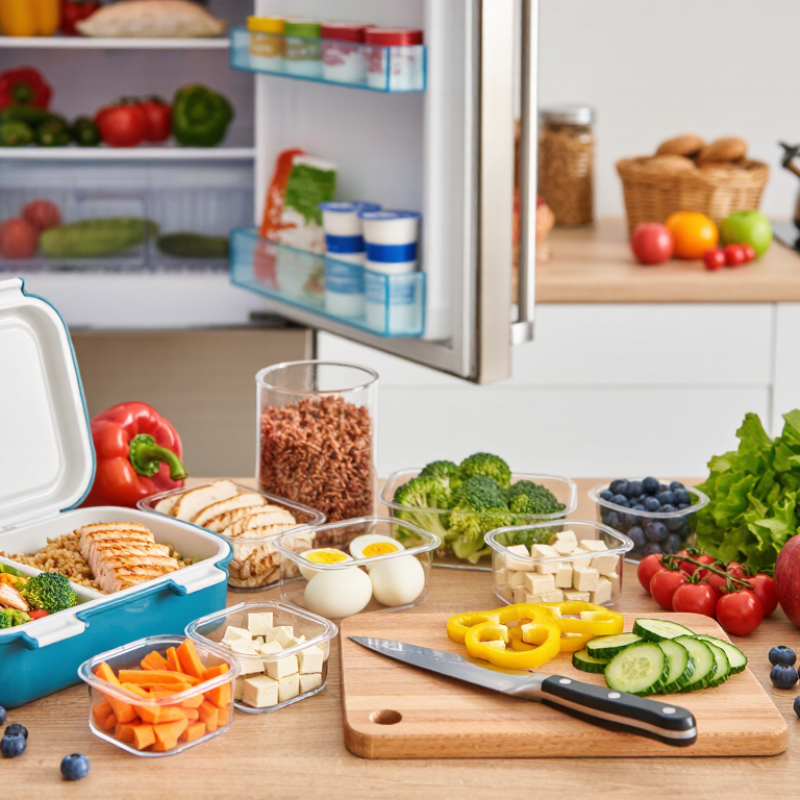
A useful nutrition goal should fit the day you actually have, not an ideal calendar. The CDC’s 2022 report on 2019 data found that only 12.3% of U.S. adults met fruit intake recommendations, and 10.0% met vegetable recommendations. That gap makes small, repeatable plans worth trying. Pick one meal that often gets rushed, then decide what you can realistically add: a banana beside your morning coffee, or frozen vegetables stirred into a quick dinner. Keep it small. A goal you can repeat on a busy Tuesday is more practical than a perfect plan you abandon by Thursday.
Match the goal to a daily cue. If lunch breaks are short, keep a piece of fruit where you can see it, or pack unsalted nuts with a sandwich. If evenings are unpredictable, set aside ten minutes after dinner to wash produce for tomorrow. The World Health Organization recommends at least 400 grams of fruits and vegetables daily for people over age 10; treat that as a direction, not a pass-or-fail test. Some weeks, I still forget the vegetables until dinner is nearly done. A flexible backup helps: add canned beans to soup, or choose pre-cut produce when time is tight. Check your plan after a week, and adjust the goal if it keeps colliding with your schedule.
| # | Daily Schedule | Practical Nutrition Goal | Quick Example |
|---|---|---|---|
| 1 | Before a busy morning | Choose a simple breakfast with protein and fiber when you have time to eat. | Plain yogurt with fruit and oats, or eggs with whole-grain toast. |
| 2 | During meal planning | Plan a few flexible meals rather than trying to schedule every bite. | Pair a grain, a protein food, and a vegetable for two or three dinners. |
| 3 | Once or twice a week | Prepare a few ingredients ahead to make later meals quicker. | Cook a batch of beans or grains, wash produce, and portion leftovers. |
| 4 | When time is short | Keep convenient foods on hand that contribute useful nutrients. | Use canned beans, frozen vegetables, oats, eggs, or no-added-salt canned fish. |
| 5 | At lunch | Build a filling meal with a protein source and produce. | Add beans, tofu, eggs, or leftover chicken to a salad or whole-grain wrap. |
| 6 | Between meals, if hungry | Choose a snack that fits your appetite and helps bridge the gap to your next meal. | Fruit with nuts, vegetables with hummus, or yogurt. |
| 7 | At the grocery store | Make a short list based on meals you realistically have time to prepare. | Include vegetables, fruit, whole grains, and protein foods you enjoy. |
| 8 | On especially busy evenings | Use a quick meal formula instead of relying on a complicated recipe. | Combine microwave brown rice, frozen vegetables, and beans or eggs. |
| 9 | When choosing packaged foods | Compare nutrition labels when practical, especially sodium and added sugars. | Choose an option that suits your needs and preferences; check serving sizes too. |
| 10 | At the end of the week | Review what worked and set one achievable goal for the coming week. | For example: “I’ll add a vegetable to lunch three days this week.” |
Practical needs vary by person. Adjust portions and food choices to your appetite, health needs, budget, and schedule.
Choose one rushed meal and add one manageable food. Try a banana beside your morning coffee. Keep it small.
Start with what fits your routine. Add frozen vegetables to dinner or keep an apple near your lunch bag. A small change is easier to repeat.
The World Health Organization recommends at least 400 grams daily for people over age 10. Treat this as guidance, not a pass-or-fail test.
Link it to a daily cue. Put fruit where you can see it, or wash vegetables after dinner for tomorrow. I still forget sometimes.
Check your fridge and pantry first. List a few proteins, vegetables, and grains, such as eggs, spinach, rice, and beans.
Keep flexible swaps on your list. Choose fresh or frozen spinach, and consider canned tomatoes or beans for meals.
Combine a grain, protein, and vegetable in one bowl or pan. Rice, eggs, and frozen vegetables can work. No elaborate recipe needed.
Keep one meal especially easy, even if it repeats. A few eggs and frozen vegetables can become dinner quickly. Plans still slip.
How To Maintain Healthy Eating With Limited Time begins with setting realistic nutrition goals that fit your daily routine. Rather than aiming for complicated meals, identify a few simple habits you can sustain, such as including vegetables, a source of protein, and a filling grain in your meals. Planning a few flexible dishes and making a grocery list around shared ingredients can reduce last-minute decisions while still leaving room for changing schedules.
Keep convenient staples on hand, such as canned beans, frozen vegetables, eggs, and whole grains, so balanced meals are easier to assemble quickly. Preparing ingredients in batches—washing produce, cooking grains, or portioning snacks—can save time throughout the week. When eating on the go, choose options that combine nourishing ingredients and provide lasting energy. Small, practical choices can make healthy eating more manageable even on busy days.

 JETZ Foods