How To Maintain Healthy Cooking Habits begins with realistic choices, not a perfect kitchen. A balanced routine can improve daily nutrition, reduce waste, and make home cooking easier to sustain. The World Health Organization recommends eating at least 400 grams of fruit and vegetables daily. It also advises limiting free sugars to less than 10% of daily energy intake. These targets sound simple. Daily practice is harder.
The 2020–2025 Dietary Guidelines for Americans encourage nutrient-dense foods across vegetables, fruits, whole grains, seafood, beans, nuts, and low-fat dairy. They also emphasize limiting added sugars, saturated fat, and sodium. Practical cooking habits support these recommendations. Keep chopped vegetables visible in the refrigerator. Measure oil with a teaspoon. Use herbs, garlic, citrus, or vinegar before reaching for extra salt. A basic food thermometer can also improve safety, especially when cooking poultry, eggs, and leftovers.
Small details matter.
The U.S. Centers for Disease Control and Prevention connects healthy eating patterns with better health and chronic disease prevention. Still, nutrition advice is not a substitute for individual medical guidance. Dietary needs vary with age, allergies, culture, activity, and health conditions. I sometimes prepare an ambitious meal plan, then waste ingredients by Friday. That failure is useful feedback. Healthy cooking should be flexible enough for busy evenings, limited budgets, and imperfect skills. This guide offers evidence-informed habits, while leaving room for adjustment, reflection, and a few ordinary kitchen mistakes.
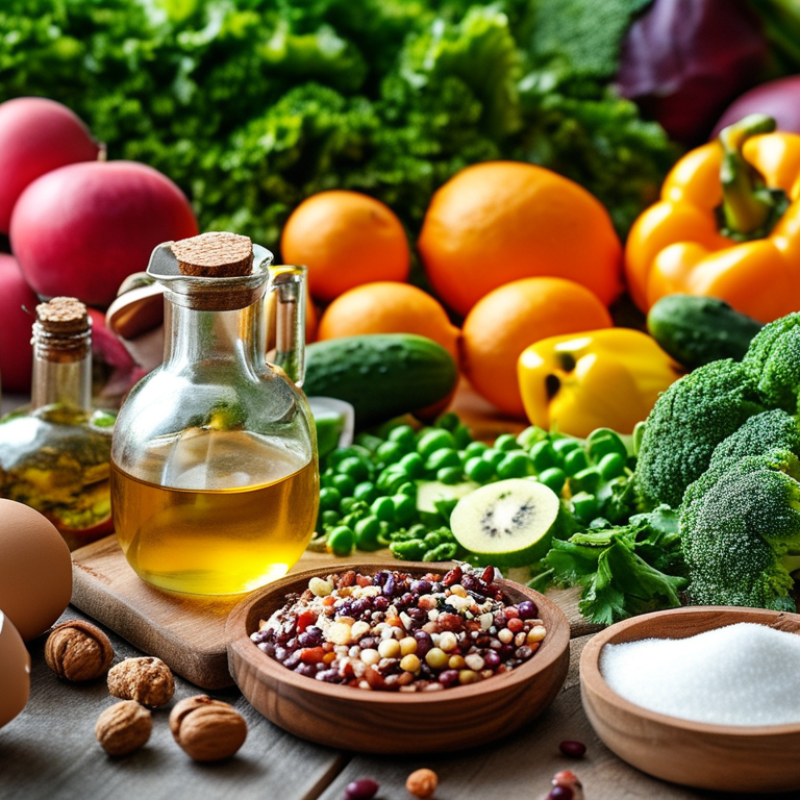
Healthy cooking begins with a few reliable principles: balance, freshness, safety, and sensible portions. At home, I fill half the plate with vegetables, then add protein and whole grains. This simple pattern works on busy evenings, although it is not perfect. Some days, dinner is uneven. That is normal. Healthy cooking should support real life, not create guilt.
Use heat carefully. Steaming, baking, simmering, and quick sautéing can preserve texture without excess oil. I measure oil with a spoon instead of pouring freely. It feels fussy, but it prevents accidental heaviness. Herbs, citrus, garlic, and spices can build flavor while reducing salt. Preferences differ, and low-salt cooking may require gradual adjustment. Food safety matters equally: wash produce, separate raw ingredients, and cook foods thoroughly. Keep leftovers chilled promptly.
Tips:
Plan two vegetables before choosing the main dish. Cut firm produce together, but store it safely. Taste during cooking. Keep a small notebook of successful combinations. It exposes habits I might otherwise miss. Drink water while preparing meals, and avoid cooking when rushed, if possible.
These daily benchmarks support healthier cooking and meal planning. The World Health Organization recommends at least 400 g of fruits and vegetables, at least 25 g of naturally occurring fiber, less than 5 g of salt, less than 50 g of free sugars, and saturated fat below 10% of daily energy. The sugar and saturated-fat values shown use a 2,000 kcal reference diet; actual needs vary by person.
Healthy cooking begins with choosing ingredients that support steady energy and everyday health. A practical plate usually includes vegetables, a protein source, whole grains, and a modest amount of healthy fat. I check the produce section for different colors, such as spinach, carrots, tomatoes, and purple cabbage. Color often signals a wider range of nutrients. Fresh, frozen, and canned vegetables can all work well when preparation is simple. For canned foods, I look for low-sodium options and rinse them when possible. Beans, eggs, fish, poultry, tofu, and unsalted nuts provide useful protein choices.
Meal planning makes balanced cooking more realistic during busy weeks. I sketch three or four dinners before shopping, then reuse ingredients carefully. Brown rice can accompany roasted vegetables one night and a bean bowl the next. I keep washed fruit visible and portion nuts into small containers. This reduces rushed choices. It is not perfect. I sometimes plan too many recipes and waste herbs. A shorter plan would have been wiser.
Nutrition labels deserve attention, especially for packaged staples. I compare serving sizes, sodium, added sugars, fiber, and protein rather than trusting health-focused wording. A food with less sugar may still contain little fiber. General nutrition guidance supports varied foods, but personal needs differ with age, activity, allergies, and medical conditions. When those factors matter, advice from a qualified dietitian or healthcare professional can prevent harmful assumptions. I also taste food before adding salt. Small changes matter.
Healthy cooking habits begin with protecting food before it reaches the plate. In my kitchen, steaming vegetables usually keeps their color, firmness, and delicate flavor intact. Steam gently. Short cooking times reduce nutrient loss, especially for water-sensitive vitamins such as vitamin C and several B vitamins. I use a small amount of water and save it for soup when boiling is necessary. Nutrients can move into the cooking liquid.
Roasting works well for carrots, squash, and cauliflower because moderate heat concentrates flavor without soaking the food. I cut vegetables into similar pieces so they cook evenly. A light coating of oil helps browning, but excessive oil can hide the natural texture. Keep it brief. Stir-frying also preserves freshness when the pan is hot and the cooking time stays short. I add dense ingredients first, then leafy greens near the end.
Gentle cooking is not always practical. I still overcook broccoli when answering messages, and the dull color reminds me to pay attention. That compromise is not perfect. Reliable nutrition guidance favors variety, reasonable heat, and limited charring rather than one “best” method. Cooking meat, eggs, and seafood thoroughly remains essential for safety, even if it takes longer. I check texture and temperature instead of trusting appearance alone. Small changes matter. The goal is not flawless cooking, but fewer needless losses in flavor and nutrients.
Healthy cooking often depends on small decisions made before the pan gets hot. I measure rice, pasta, and meat with a cup or kitchen scale. A filled plate can look normal but contain two servings. The Dietary Guidelines for Americans 2020–2025 encourage choosing portions that fit individual energy needs, not fixed plate sizes.
My usual seasoning starts with garlic, lemon juice, vinegar, pepper, herbs, and chili. Salt comes later. The World Health Organization recommends fewer than 5 grams of salt daily, including salt in packaged foods. That amount is easy to exceed. Taste before adding more. I still misjudge soups sometimes, especially after tasting them repeatedly. A short pause helps.
Added fats need attention too. I use a teaspoon for oil when cooking small portions, rather than pouring directly from the bottle. The Dietary Guidelines advise limiting saturated fat to under 10% of daily calories. Olive, rapeseed, or other unsaturated oils can support that change, but quantity still matters. “Healthy” fat is not unlimited. For a stir-fry, I coat the pan lightly, add a splash of water, and keep vegetables moving. A tablespoon can quietly become three. That habit needs checking.
| Healthy Cooking Dimension | Practical Target | Useful Measurement | Better Cooking Approach | Example for One Meal |
|---|---|---|---|---|
| Plate balance | ½ vegetables and fruit, ¼ grains, ¼ protein foods | Use the plate as the measuring guide | Build the meal around vegetables, then add a moderate portion of whole grains and protein. | ½ plate roasted vegetables, ¼ plate brown rice, and ¼ plate beans or fish. |
| Non-starchy vegetables | Make vegetables the largest part of the meal | About 1–2 cups, depending on individual needs | Steam, roast, grill, or stir-fry with a small amount of oil to preserve texture and flavor. | Broccoli, peppers, leafy greens, mushrooms, or zucchini. |
| Grain portions | Choose whole grains often | About ½ cup cooked as a practical starting portion | Measure cooked grains before serving and choose options such as oats, barley, quinoa, or brown rice. | ½ cup cooked quinoa alongside vegetables and a protein food. |
| Protein portions | Use a moderate serving rather than oversized portions | About 3 ounces cooked for many adults | Favor beans, lentils, eggs, seafood, poultry, tofu, and lean meats; trim visible fat when appropriate. | 3 ounces cooked fish, ½ cup beans, or a palm-sized portion of tofu. |
| Serving awareness | Serve one planned portion first | Use smaller serving dishes and bowls | Plate food in the kitchen, eat slowly, and wait before taking seconds. | Place one portion on the plate instead of eating directly from a large container. |
| Sodium from salt | Stay below 2,300 mg sodium per day for most adults | 1 teaspoon table salt contains about 2,300 mg sodium | Reduce salt gradually and taste the food before adding more. | Use garlic, onion, citrus juice, vinegar, pepper, herbs, or spices for flavor. |
| High-sodium ingredients | Use less packaged and heavily salted food | Check the Nutrition Facts label for sodium per serving | Rinse canned beans and vegetables, select unsalted products when available, and compare similar foods. | Rinse canned beans under running water before adding them to a soup or salad. |
| Added fats | Measure oil instead of pouring freely | 1 teaspoon oil is about 40 calories; 1 tablespoon is about 120 calories | Use a measuring spoon, brush, spray lightly, or cook with a nonstick pan when suitable. | Measure 1 teaspoon of oil for sautéing a serving of vegetables. |
| Cooking methods | Use methods that require little added fat | Choose steaming, baking, roasting, grilling, poaching, or simmering | Build flavor through browning, herbs, spices, aromatics, and acids instead of deep-frying. | Bake seasoned vegetables and protein on a lined sheet pan. |
| Saturated fat | Keep saturated fat below 10% of daily calories | For a 2,000-calorie diet, this is less than about 22 grams per day | Replace some butter, shortening, and fatty meats with unsaturated oils, nuts, seeds, beans, or fish. | Use a small amount of olive, canola, or other unsaturated vegetable oil instead of butter. |
| Sauces and dressings | Control creamy, salty, and sugary additions | Start with 1–2 tablespoons and adjust as needed | Serve sauces on the side and use yogurt, citrus, vinegar, herbs, or puréed vegetables as alternatives. | Serve a lemon-herb dressing separately so the amount can be controlled. |
| Added sugars | Keep added sugars below 10% of daily calories | For a 2,000-calorie diet, this is less than 50 grams per day | Sweeten naturally with fruit, cinnamon, vanilla, or unsweetened applesauce when appropriate. | Use berries and cinnamon in oatmeal instead of adding several spoonfuls of sugar. |
| Food preparation habits | Plan portions before cooking | Prepare only the number of servings needed or portion leftovers immediately | Read the recipe yield, measure ingredients, and store extra servings in individual containers. | Divide a cooked dish into four containers rather than leaving the entire pan on the table. |
Reference basis: General guidance reflects the Dietary Guidelines for Americans, U.S. Food and Drug Administration sodium guidance, and standard food-composition estimates. Individual calorie, sodium, fat, and portion needs vary by age, body size, activity level, health status, and dietary goals.
Healthy cooking habits begin with a clean, predictable workspace. Wash your hands before handling food, and rinse produce under running water. Keep one cutting board for raw meat and another for vegetables when possible. I also wipe spills immediately, because small puddles can hide bacteria and create slippery floors. It is easy to forget refrigerator handles, drawer pulls, and tap knobs. Clean them regularly.
Tips: Prepare only what you need, and store leftovers in shallow containers within two hours. Keep the refrigerator cold, and use separate utensils for tasting and serving. Cook poultry, eggs, and minced meat thoroughly, using a food thermometer when available. Do not rely on color alone. I once trusted a browned surface and learned that appearance can be misleading.
Sustainable routines can remain simple. Plan a few meals before shopping, then choose flexible ingredients that work in several dishes. Store herbs in a damp towel, freeze extra bread, and use vegetable stems in soups. Composting can help, but only if your local system accepts the materials. My own planning is not perfect; I still overbuy leafy greens sometimes. That waste reminds me to shop smaller and check the refrigerator before leaving home. Good routines should protect health without making daily cooking exhausting.
: Fill half the plate with vegetables. Add a moderate portion of protein and whole grains. Some days look uneven.
Steaming, baking, simmering, and quick sautéing usually preserve texture and nutrients. Keep cooking times short. Avoid unnecessary charring.
Measure oil with a teaspoon instead of pouring freely. Add garlic, herbs, citrus, vinegar, or spices. A tablespoon can quietly become three.
Water-sensitive vitamins can move into the cooking liquid. Use little water, and save it for soup when practical. It is not always convenient.
Measure rice, pasta, and meat with a cup or kitchen scale. A full plate may contain two servings. Visual judgment can mislead.
Taste food before adding salt. Packaged foods already contribute salt, so daily intake can rise quickly. Pause before seasoning again.
Cut firm vegetables into similar pieces. Add dense ingredients first during stir-frying, then leafy greens. Watch the pan closely.
Wash produce, separate raw ingredients, and cook meat, eggs, and seafood thoroughly. Chill leftovers promptly. Appearance alone is unreliable.
No. Different foods suit different methods. Variety, moderate heat, reasonable portions, and limited charring matter more. I still overcook broccoli sometimes.
How To Maintain Healthy Cooking Habits begins with understanding that nutritious meals should be balanced, enjoyable, and practical. Choose a variety of vegetables, fruits, whole grains, lean proteins, and healthy sources of fat, then plan meals in advance to reduce reliance on highly processed options. Using cooking methods such as steaming, baking, grilling, and gentle sautéing can help preserve nutrients while limiting unnecessary oil. Fresh ingredients should be prepared carefully and combined to create satisfying meals with a good balance of nutrients.
Healthy cooking also depends on sensible portions and mindful use of salt, sugar, sauces, and added fats. Flavor can be enhanced with herbs, spices, garlic, citrus, and other natural ingredients. A safe and sustainable routine includes washing hands and produce, preventing cross-contamination, storing food properly, reducing waste, and reusing suitable ingredients creatively. By making these habits consistent and manageable, cooking becomes a reliable way to support long-term health and well-being.

JETZ Foods